Fueling Innovation. Guiding Intellect. Xceeding Limits

Beyond Textbooks: Developing a Lifelong Love for Books
True education begins when reading moves beyond textbooks and becomes a lifelong relationship with ideas, imagination, and inquiry.
Dr. Payal Trivedi
2/16/20262 min read
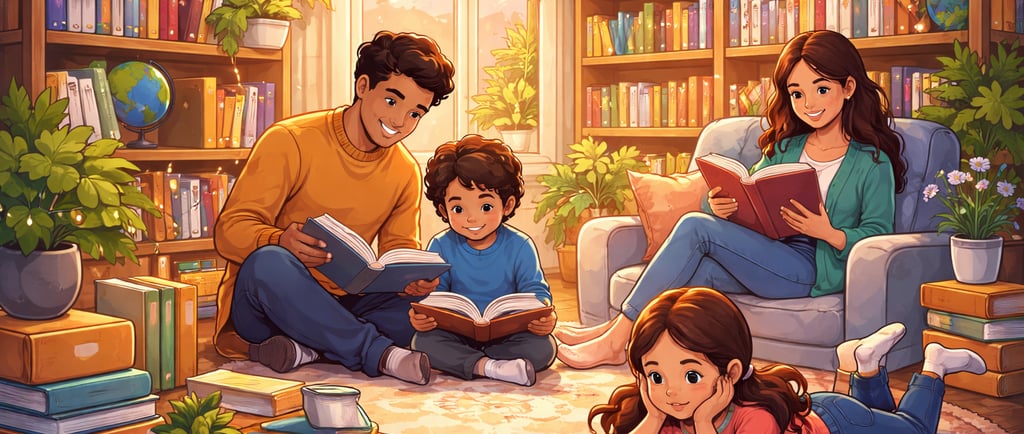
True education begins when reading moves beyond textbooks and becomes a lifelong relationship with ideas, imagination, and inquiry.
Textbooks are essential in classrooms. They provide structure, clarity, and academic direction. They ensure that learning is systematic and aligned with curricular goals. However, while textbooks inform, books transform. The difference between studying to pass examinations and reading to expand the mind is the difference between obligation and inspiration.
When children read only to complete assignments, they often associate reading with pressure and performance. Once examinations conclude, reading too comes to an end. Such an approach limit intellectual growth. In contrast, a lifelong love for books nurtures curiosity, emotional intelligence, creativity, and independent thinking. It transforms reading from a task into a treasured habit.
Lifelong readers thrive because they think deeply and reflect meaningfully. They develop empathy by stepping into diverse worlds and perspectives through literature. Exposure to various genres—fiction, biographies, philosophy, science, poetry—helps them connect ideas across disciplines and build multidimensional understanding. Reading strengthens communication skills, enriches vocabulary, and cultivates confidence in expression.
Moving beyond textbooks requires intentional effort from both educators and parents. Creating a reading culture at home and school is fundamental. Children must be offered choice in genres so that reading becomes personal and joyful. Establishing reading rituals—such as silent reading hours, book discussions, storytelling circles, and literary celebrations—encourages engagement beyond marks and grades. Reflective reading through dialogue deepens comprehension and critical thinking.
Teachers play a pivotal role as literary mentors. When educators recommend books beyond examinations and share their personal reading journeys, students begin to perceive books differently. Libraries evolve into spaces of discovery rather than silent storage rooms. Classrooms become centers of inquiry where questions are valued as much as answers.
In the digital age, reading formats may change, but the essence of reading remains timeless. Whether through physical books or e-books, what matters is immersive and reflective engagement. Encouraging slow reading builds patience, concentration, and depth—qualities that are increasingly rare in an era dominated by speed and distraction.
Textbooks may help us pass examinations, but books help us understand life. To cultivate a lifelong love for reading is to nurture thinkers, dreamers, leaders, and compassionate human beings. Beyond textbooks lies a world of wisdom waiting to be explored—one page at a time.
FIT TO FLOURISH
COMPANY
Copyright © 2025 XceedMinds -
All Rights Reserved.
KNOW US BETTER
HEALTH HUB
SPORTS EMPOWERMENT